
What Is Portrait Editing? Complete Guide for Families
Nearly 80 percent of people say a great portrait makes them feel more confident about themselves. In an age where images shape first impressions and memories, how a portrait is edited becomes just as important as the moment it was captured. From subtle retouching to artistic refinements, portrait editing gives families and individuals the chance to present their truest selves in a way that feels both genuine and unforgettable.
Table of Contents
- Defining Portrait Editing and Its Purpose
- Different Types of Portrait Editing Services
- How Portrait Editing Works: Key Steps and Tools
- Common Mistakes in Portrait Editing to Avoid
- Privacy, Consent, and Legal Considerations
Key Takeaways
| Point | Details |
|---|---|
| Purpose of Portrait Editing | Aims to enhance images while preserving the subject’s authentic essence and emotional resonance. |
| Types of Services | Ranges from basic retouching to advanced restoration and creative editing, catering to different needs. |
| Common Pitfalls | Avoid over-smoothing, unrealistic colors, and aggressive retouching to maintain the true essence of the subject. |
| Ethical Considerations | Requires explicit consent, respect for personal image rights, and transparency throughout the editing process. |
Defining Portrait Editing and Its Purpose
Portrait editing is a specialised process of transforming and enhancing photographic images to create visually compelling and emotionally resonant representations of individuals, families, and pets. Unlike basic photo adjustments, portrait editing involves strategic refinements that preserve the subject’s authentic essence while elevating image quality.
According to research from BMC Psychology, photo editing can significantly influence self-perception and emotional response. The psychological impacts of image modification extend beyond mere aesthetic improvements, touching on deeply personal aspects of how individuals view themselves and their visual representation.
Portrait editing typically involves several key techniques:
- Colour correction to balance and enhance natural tones
- Skin retouching to smooth textures while maintaining natural appearance
- Background adjustment to create more appealing visual contexts
- Lighting enhancement to highlight subject features
- Emotional tone refinement to capture the subject’s true character
The ultimate purpose of professional portrait editing is not to create an unrealistic image, but to craft a photograph that feels genuine, emotionally authentic, and visually stunning. By carefully balancing technical skill with artistic sensitivity, portrait editors transform ordinary photographs into meaningful visual narratives that families will treasure for generations.
Different Types of Portrait Editing Services
Portrait editing services range from basic touch-ups to comprehensive image transformations, offering families multiple options for enhancing their cherished photographs. These services cater to diverse needs, ensuring every image captures the genuine emotion and unique character of the subjects.
According to research on Photograph Manipulation, editing techniques have evolved dramatically, providing photographers and families with sophisticated tools for image enhancement. Portrait Professional software exemplifies this evolution, offering advanced features like facial feature manipulation and background replacement that were unimaginable just a decade ago.
Key types of portrait editing services include:
-
Basic Retouching
- Skin smoothing
- Blemish removal
- Colour and exposure correction
-
Advanced Restoration
- Old photograph recovery
- Damage repair
- Colour restoration for vintage images
-
Creative Editing
- Background replacement
- Artistic filters
- Stylised image transformations
-
Professional Refinement
- Professional studio-level touch-ups
- High-end skin and feature editing
- Complex lighting and tone adjustments
Each editing service offers unique possibilities for transforming photographs from simple snapshots into meaningful, professionally crafted visual stories.
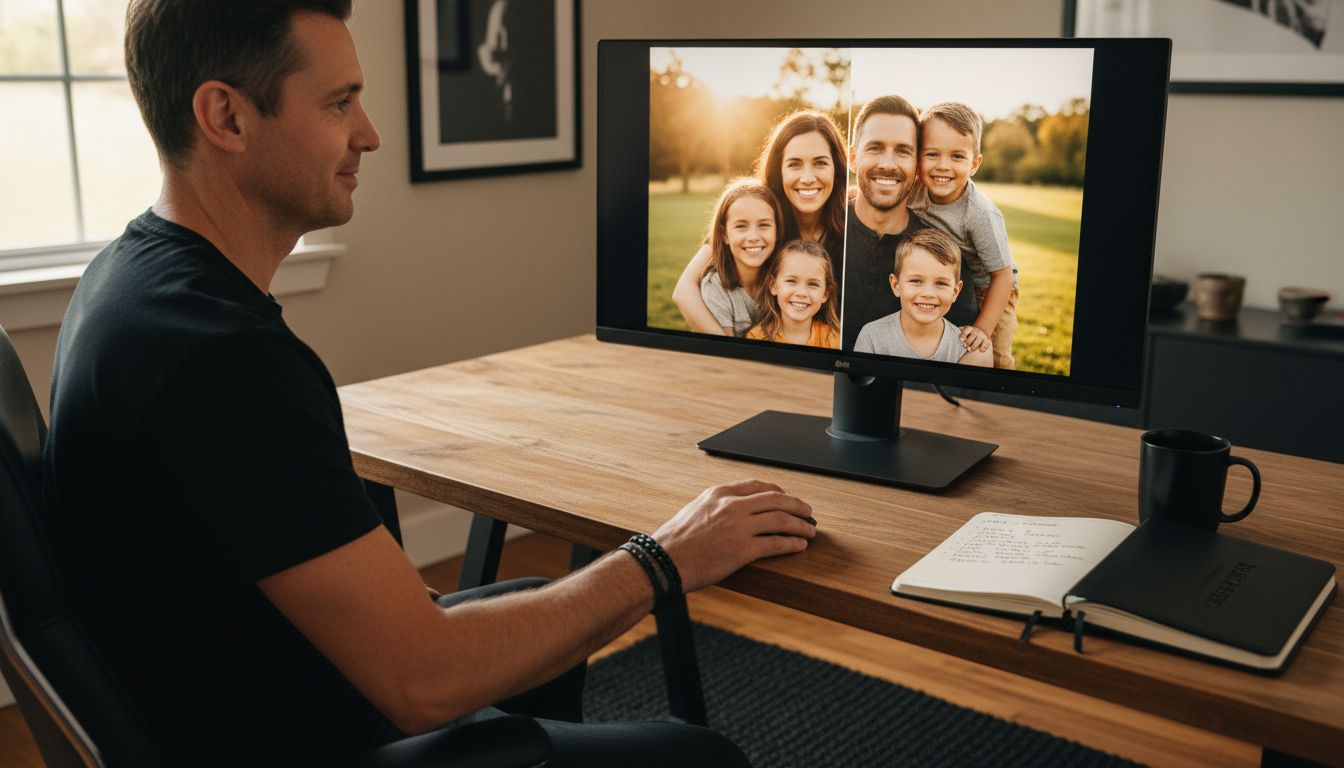 By understanding these options, families can select the perfect editing approach to preserve and elevate their most treasured memories. For more insights into our comprehensive portrait creation process, explore our portrait creation guide.
How Portrait Editing Works: Key Steps and Tools
Portrait editing is a sophisticated process that transforms raw photographs into polished, emotionally resonant images through a carefully orchestrated sequence of digital manipulations. Modern editing techniques blend technological precision with artistic sensitivity, allowing photographers and families to create truly remarkable visual narratives.
Cutting-edge research from ArXiv reveals remarkable advancements in portrait editing, with neural network models now offering unprecedented control over image geometries, colours, lights, and shadows. For instance, LightPainter introduces an innovative interactive relighting system that enables users to manipulate lighting effects using simple freehand scribbles.
The typical portrait editing workflow involves several critical steps:
-
Image Import and Assessment
- Uploading high-resolution original photograph
- Initial quality and composition evaluation
- Identifying key areas for potential enhancement
-
Basic Corrections
- Colour balance adjustment
- Exposure and contrast refinement
- Cropping and alignment
-
Detailed Retouching
- Skin texture smoothing
- Blemish and imperfection removal
- Eye and facial feature enhancement
-
Advanced Refinement
- Lighting and shadow manipulation
- Background adjustment
- Creative stylistic treatments
Professional portrait editing requires both technical skill and artistic intuition. By understanding these nuanced steps, families can appreciate the intricate craft behind transforming ordinary photographs into extraordinary memories. For those interested in preparing the perfect photograph for editing, our guide on choosing the best portrait photo offers valuable insights into selecting images with optimal editing potential.
Common Mistakes in Portrait Editing to Avoid
Portrait editing is an art form that requires delicate balance and thoughtful approach. While digital tools offer incredible possibilities, families must navigate the fine line between enhancement and overprocessing to preserve the authentic essence of their cherished memories.
Research from BMC Psychology reveals a critical insight: excessive photo editing can significantly impact self-perceived attractiveness and emotional well-being. According to Photograph Manipulation studies, maintaining photographic authenticity isn’t just an aesthetic choice, but an ethical consideration that respects the subject’s true identity.
Common portrait editing mistakes to avoid include:
-
Over-Smoothing Skin Texture
- Removing natural skin characteristics
- Creating an unrealistic, plastic-like appearance
- Losing individual unique features
-
Unrealistic Colour Manipulation
- Extreme saturation changes
- Unnatural skin tone alterations
- Losing original image warmth
-
Aggressive Retouching
- Removing too many natural lines and imperfections
- Erasing character-defining features
- Creating an uncanny, artificial representation
-
Poor Lighting Adjustments
- Inconsistent shadow and highlight treatments
- Losing depth and dimensionality
- Destroying original photographic mood
The goal of portrait editing is subtle enhancement, not complete transformation.
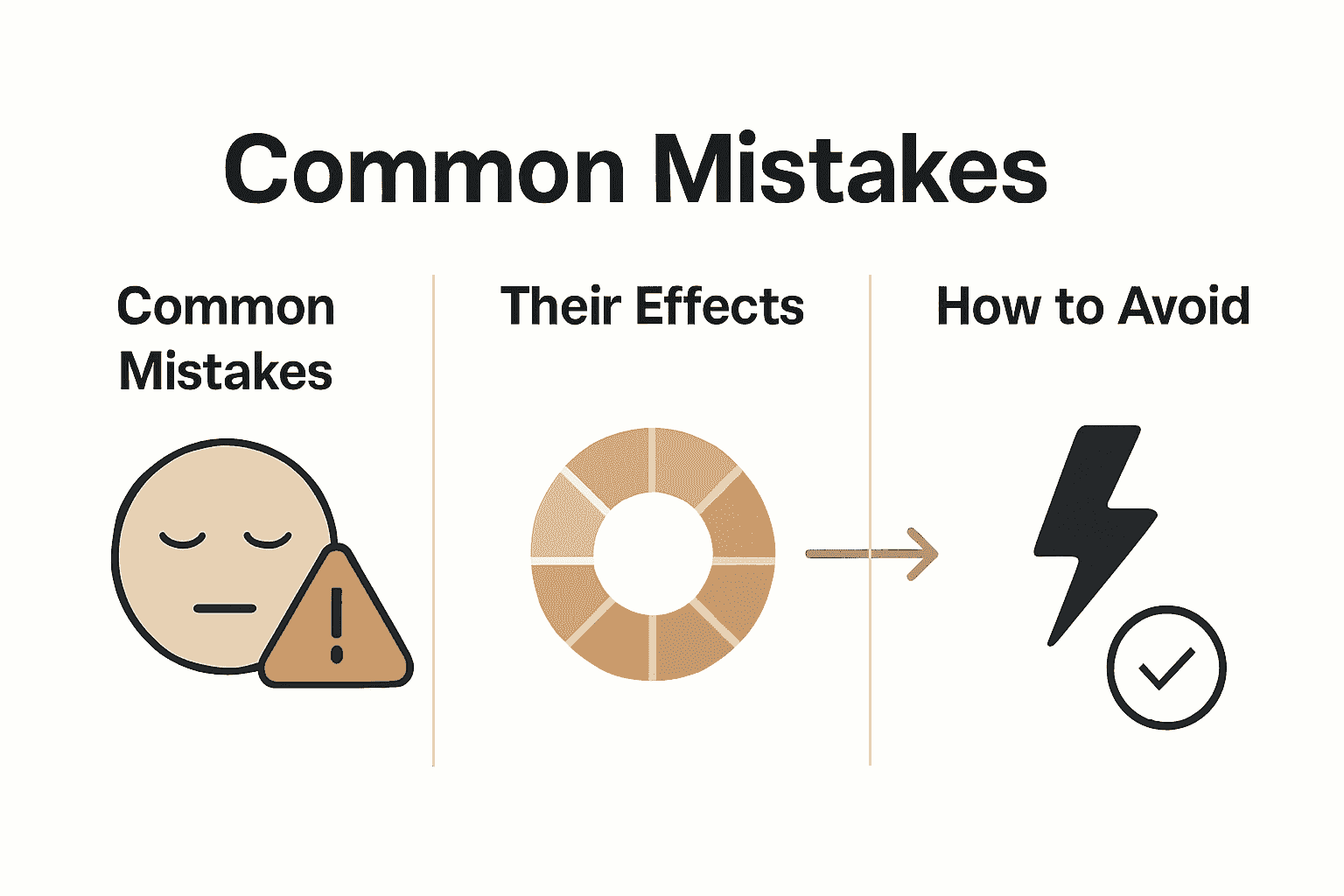 Families should aim to refine images while preserving the genuine emotion and unique characteristics that make each photograph special. For more guidance on maintaining portrait quality, explore our how to preserve portrait quality guide.
Privacy, Consent, and Legal Considerations
Portrait editing involves more than technical skills; it requires a profound understanding of ethical boundaries and personal privacy. Families entrust photographers and editors with deeply personal visual narratives, making responsible handling of photographic content paramount.
According to Photograph Manipulation, legal and ethical considerations are crucial in portrait editing. Visual Rhetoric research emphasises that images communicate powerful messages, underscoring the importance of maintaining authenticity and respecting individual representation.
Key privacy and consent considerations include:
-
Explicit Permission
- Obtaining written consent before editing
- Discussing intended modifications
- Providing preview options for approval
-
Personal Image Rights
- Respecting individual’s right to control their image
- Protecting minors’ photographic representations
- Avoiding unauthorized digital alterations
-
Data Protection
- Securing personal photographic information
- Implementing strict confidentiality protocols
- Limiting image storage and access
-
Transparency
- Clearly communicating editing processes
- Maintaining original image integrity
- Offering opt-out options for digital manipulation
Ethical portrait editing balances artistic enhancement with personal dignity. Families should feel empowered and comfortable with how their memories are preserved and transformed. If you have concerns about how your personal data is managed, review our privacy choices to understand your rights and options.
Bring Your Family Portraits to Life with Expert Editing
Portrait editing is more than simply touching up photos. It is about preserving the genuine emotion and unique character of your loved ones while enhancing the overall image quality. Many families struggle with challenges like over-smoothing skin, unrealistic colour changes, or losing the authentic feel of their portraits. Understanding these common pitfalls and knowing how to avoid them can transform simple snapshots into treasured memories.
At The Family Portrait Company, we specialise in creating custom pet and human portraits that beautifully balance authenticity with expert editing techniques. Whether you want subtle enhancements or professional refinement, our services ensure your portraits look naturally stunning and emotionally resonant.
Don’t let your precious photos fall short of their full potential. Visit our Home page to explore how our skilled portrait editing solutions can preserve your family’s true spirit today. Take the first step by seeing how a professionally refined portrait can become a lasting keepsake you will cherish forever.
Frequently Asked Questions
What is the purpose of portrait editing?
Portrait editing aims to enhance and transform photographic images of individuals, families, and pets while preserving their authentic essence, resulting in visually stunning and emotionally resonant representations.
What are common techniques used in portrait editing?
Common techniques include colour correction, skin retouching, background adjustment, lighting enhancement, and emotional tone refinement to create images that feel genuine and captivating.
What are the different types of portrait editing services available?
Types of portrait editing services include basic retouching, advanced restoration, creative editing, and professional refinement, each offering unique possibilities for enhancing cherished photographs.
What are some common mistakes to avoid in portrait editing?
Common mistakes include over-smoothing skin texture, unrealistic colour manipulation, aggressive retouching, and poor lighting adjustments. The goal should be subtle enhancement while preserving the image’s authenticity.
Recommended
- Ensuring Photo Quality for Portraits: A Family Approach – The Family Portrait Companys
- What Is a Portrait Session? Complete Guide for Families & Pet Owners – The Family Portrait Companys
- Choosing the Best Portrait Photo for Stunning Results – The Family Portrait Companys
- Portrait Creation Process: Everything You Need to Know – The Family Portrait Companys