

Why Dogs in Classic Portraiture: Complete Guide
Over centuries, british artists have turned to dogs as rich symbols in portraiture, capturing more than just companionship. These animals communicate intricate messages about loyalty, status, and personal character. In fact, a single dog’s presence can reveal layers of social meaning and emotional depth. Discover how canine imagery has shaped cultural storytelling and why even today, choosing the right breed holds enduring influence in art.
Table of Contents
- What Dogs Represent In Portraiture
- How Symbolism Varies By Dog Type
- Why Artists Included Dogs Historically
- What Dog Symbolism Signalled In Society
- How Classic Canine Roles Influence Modern Portraits
Key Takeaways
| Point | Details |
|---|---|
| Symbolism of Dogs | In portraiture, dogs signify loyalty, social status, and personal character through their breed and positioning. |
| Emotional Representation | Dogs effectively convey complex emotional and philosophical themes, enhancing the psychological depth of portraits. |
| Historical Context | Artists utilised dogs as symbolic instruments to communicate intricate societal dynamics and personal narratives. |
| Modern Influence | Contemporary portraiture continues to draw upon the historical significance of dogs, exploring individual emotional connections alongside traditional roles. |
What Dogs Represent In Portraiture
In classic portraiture, dogs have represented far more than mere pets - they are complex symbols of human social dynamics, emotional landscapes, and cultural values. From medieval religious paintings to Renaissance nobility portraits, these canine companions have served as powerful visual metaphors communicating intricate narratives about their human subjects.
Historically, dogs were profound symbolic representations of loyalty and social status. In medieval and Renaissance art, artists strategically positioned dogs to communicate nuanced messages about their owners. At the feet of aristocratic subjects, dogs signalled not just companionship, but also demonstrated the owner’s wealth, refinement, and moral character. A well-bred hunting dog or a carefully groomed lapdog spoke volumes about the social standing and personal qualities of its master.
Moreover, dogs in portraiture transcended mere decorative elements. They embodied complex emotional and philosophical concepts. Loyalty, protection, and fidelity were consistently represented through canine imagery. Religious paintings often used dogs as symbols of vigilance, with their alert postures representing spiritual watchfulness. In secular portraits, a dog’s presence could indicate the subject’s temperament - a robust hunting hound suggested strength and adventurousness, while a small companion dog might represent tenderness and domesticity. These artistic choices allowed painters to communicate sophisticated psychological portraits beyond physical likeness, transforming dogs into profound narrative devices that revealed deeper truths about human nature and social relationships.
How Symbolism Varies By Dog Type
In classic portraiture, dogs were far more than simple companions - they were complex visual symbols with nuanced breed-specific meanings. Each breed carried its own unique language of representation, carefully chosen to communicate sophisticated messages about social status, personal character, and familial heritage.
Small companion breeds, for instance, played intricate roles in artistic representation. In formal portraits, these diminutive dogs often symbolised refinement, elegance, and domestic tranquillity. A delicate lapdog positioned near a noblewoman might suggest her gentility, wealth, and cultivated lifestyle, while simultaneously representing her emotional temperament - suggesting tenderness, vulnerability, or sophisticated social positioning.
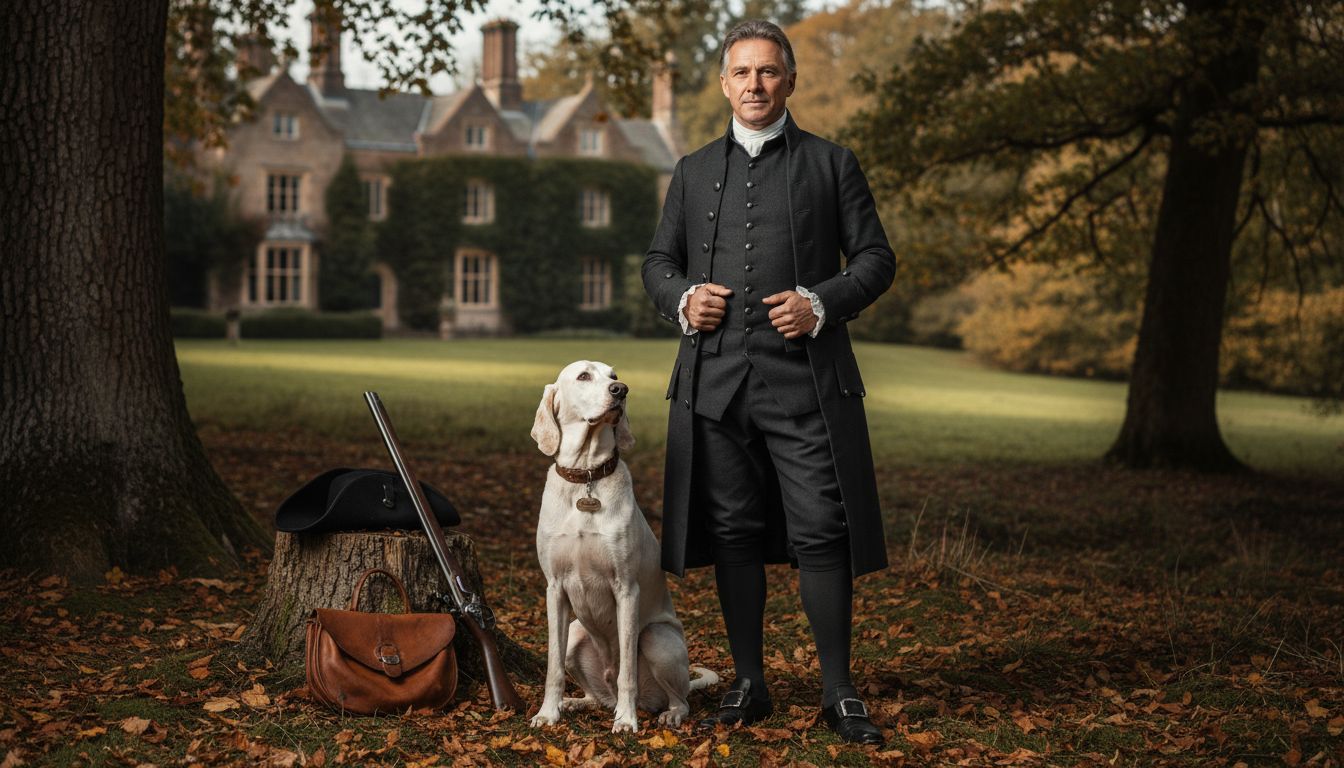
Larger hunting and working breeds carried dramatically different symbolic weight. Talbot Hounds, Mastiffs, and other substantial canines represented power, nobility, and martial prowess. Positioned strategically in aristocratic portraits, these robust dogs communicated the subject’s strength, courage, and social standing. Their muscular frames and alert postures were visual metaphors for familial honour, suggesting lineage, bravery, and an aristocratic capacity for leadership. Artists meticulously used these canine companions to craft complex narrative layers within a single portrait, transforming dogs from mere animals into profound storytelling instruments that spoke volumes about human character and social dynamics.
Why Artists Included Dogs Historically
Dogs in historical portraiture were far more than mere decorative elements - they were profound visual storytellers, carefully positioned to communicate complex social and emotional narratives. Artists recognised these canine companions as powerful symbolic instruments capable of revealing nuanced details about human subjects that transcended physical representation.
In medieval and Renaissance art, artists strategically incorporated dogs to convey deeper meanings. These animals were meticulously chosen and positioned to emphasise themes of loyalty, moral character, and social standing. A dog placed at an owner’s feet could instantly communicate volumes about the subject’s personality, social status, and emotional landscape. Religious paintings particularly leveraged canine imagery, using dogs as potent symbols of spiritual vigilance and moral devotion.
Beyond symbolic representation, dogs served multiple artistic purposes. They provided emotional depth to portraits, creating visual connections between subjects and viewers. Hunting dogs suggested nobility and martial prowess, while smaller companion breeds indicated refinement and domestic sophistication. Painters understood that these animal companions could reveal psychological dimensions impossible to capture through human figures alone. By including dogs, artists transformed portraits from mere visual records into intricate narrative compositions that spoke eloquently about human relationships, societal structures, and individual character.
What Dog Symbolism Signalled In Society
In historical portraiture, dogs were far more than aesthetic additions - they were intricate social communicators that articulated complex hierarchies, moral values, and personal attributes through their carefully choreographed presence. These canine companions operated as sophisticated visual language, translating unspoken societal dynamics into compelling narrative elements.
Artistic representations of dogs served as nuanced indicators of social stratification and personal character. Smaller companion breeds signalled domestic refinement, suggesting their owners’ cultivated sensibilities and emotional sophistication. Conversely, large hunting breeds like the Talbot Hound represented martial prowess, aristocratic lineage, and masculine strength. These strategic visual choices allowed artists to communicate intricate social messages without uttering a single word.

Moreover, dog symbolism extended beyond mere status representation. These animals embodied collective cultural values of loyalty, protection, and moral virtue. A well-placed dog in a portrait could instantly communicate the subject’s moral standing, emotional depth, and social connections. By selecting specific breeds and positioning them strategically, artists crafted complex visual narratives that spoke volumes about individual identity, familial heritage, and the intricate social fabric of their historical moment.
How Classic Canine Roles Influence Modern Portraits
The rich historical legacy of dogs in portraiture continues to shape contemporary artistic representation, transforming these animal companions from mere decorative elements into profound narrative instruments. Modern artists inherit a complex visual vocabulary that allows them to communicate intricate emotional and social messages through canine symbolism.
Contemporary portrait artists draw deeply from traditional symbolic representations, maintaining the nuanced language of breed selection and positioning. Small companion breeds still signal emotional depth and domestic sophistication, while larger working dogs continue to represent strength, nobility, and personal character. These visual metaphors persist, allowing modern portraitists to craft multilayered narratives that speak to viewers through subtle, historically informed visual cues.
Beyond mere aesthetic inheritance, modern dog portraiture has evolved to explore more intimate, personal dimensions of human animal relationships. Where classical portraits used dogs as social signifiers, contemporary artists increasingly use these companions to reveal emotional landscapes, personal histories, and deep interpersonal connections. The symbolic weight of dogs remains powerful, but the context has shifted from broad social statements to more nuanced, individual explorations of companionship, loyalty, and emotional resonance.
Capture the Timeless Bond Between You and Your Dog in a Custom Portrait
The article shows how dogs in classic portraiture symbolised loyalty, social status and deep emotional connection. If you admire how these meaningful canine symbols tell stories of personality and relationship, why not preserve your own unique bond through a personalised pet and human portrait? Our art transforms the powerful symbolism of dogs into modern keepsakes that celebrate your companionship and character.

Explore the perfect way to honour your dog’s special place in your life with a meticulously crafted portrait. Visit The Family Portrait Company’s Home page to see examples that echo the rich traditions described in the article. Bring to life your dog’s individual spirit while reflecting your own story by ordering your custom portrait today at https://familyportraitcompany.com. Capture a timeless piece of art that speaks volumes beyond the frame.
Frequently Asked Questions
Why were dogs included in classic portraiture?
Dogs were included in classic portraiture as profound visual storytellers, communicating complex social and emotional narratives about their human subjects, including loyalty, moral character, and social standing.
What do different dog breeds symbolize in portraiture?
Different dog breeds carry unique symbolic meanings in portraiture. Small companion breeds often represent refinement and emotional depth, while larger breeds signify power, nobility, and martial prowess.
How did artists use dogs to convey status in their portraits?
Artists used dogs strategically to convey status by positioning them near their owners. A well-bred dog indicated wealth and refinement, while the breed of the dog could signify the owner’s strength and social standing.
In what ways has the portrayal of dogs in art evolved over time?
The portrayal of dogs in art has evolved from representing broad social signifiers in classic portraits to exploring more intimate themes of companionship and emotional resonance in contemporary works.
Recommended
- What is Pet Breed Portraiture? Understanding Pet Art – The Family Portrait Companys
- Complete Guide to Selecting Artist for Pet Portraits – The Family Portrait Companys
- 7 Inspiring Examples of Human and Pet Portraits for Families – The Family Portrait Companys
- 7 Inspiring Examples of Pet Portraits to Cherish – The Family Portrait Companys
- Dog Food Serving Sizes: Complete Owner’s Guide
- Ready for a Paw-some Adventure with Your Furry Friend? – Wispa Luxury