
Why Pets Are Portrait Favourites for UK Families
Every British parent who loves animals knows that a pet can become the heart of the family. Whether it is a loyal dog, a playful cat, or a spirited rabbit, these companions create cherished memories that last a lifetime. Custom pet portraits offer a way to celebrate that bond and turn those memories into visual stories. Discover how pet portraits capture the deep emotional connection between pets and British families, and why the right portrait can become a treasured family keepsake.
Table of Contents
- Defining Pet Portraits And Their Lasting Appeal
- Historical Evolution Of Pet Portraiture
- Emotional Bonds Driving Pet Portraits
- Popular Styles And Subjects In The UK
- Commemorating Pets As Family Members
- Choosing And Commissioning The Perfect Portrait
Key Takeaways
| Point | Details |
|---|---|
| Emotional Significance | Pet portraits serve as emotional tributes, capturing the unique spirit and personality of beloved animal companions. |
| Artistic Evolution | The art of pet portraiture has evolved from historical representation to modern artistic expressions, reflecting the deep bonds between pets and their families. |
| Choosing the Right Style | Selecting a portrait style that resonates with your pet’s character and your family’s emotional connection is crucial for creating a meaningful keepsake. |
| Commemoration of Pets | Modern families increasingly view pets as integral family members, making it essential to honour these relationships through thoughtful memorials. |
Defining Pet Portraits and Their Lasting Appeal
Pet portraits have transcended traditional art forms, becoming powerful emotional keepsakes that capture the unique spirit and personality of beloved animal companions. These artistic representations go far beyond simple photographs, transforming cherished memories into timeless visual narratives that families treasure for generations.
At their core, pet portraits represent much more than aesthetic decoration - they are profound emotional tributes. Understanding pet portraiture reveals a deep cultural phenomenon where pets are recognized not just as animals, but as integral family members with distinct personalities and emotional significance.
The enduring appeal of pet portraits stems from several compelling factors:
- Emotional Preservation: Capturing a pet’s unique character and spirit
- Memory Commemoration: Creating lasting memorials of beloved animal companions
- Artistic Expression: Transforming personal connections into visual storytelling
- Family Legacy: Documenting cherished relationships across generations
Traditionally, pet portraiture draws inspiration from broader artistic traditions where animals symbolize deeper human narratives. As the National Portrait Gallery notes, pets have long been used in portraiture to express personal identity, social status, and emotional connections.
Modern pet portraits embrace a wide range of artistic styles - from hyper-realistic oil paintings to whimsical digital illustrations. These artworks serve as more than mere decorative pieces; they are emotional archives that capture the ineffable bond between humans and their animal companions.
Pro tip: Choose a portrait style that genuinely reflects your pet’s unique personality and the emotional connection you share.
Historical Evolution of Pet Portraiture
The art of pet portraiture has a rich and nuanced history that reflects changing social attitudes towards animals and their place within human families. Photography transformed portraiture by democratising the ability to capture and commemorate beloved animal companions in unprecedented ways.
In the eighteenth century, British artistic traditions began recognising pets as worthy subjects of artistic representation. Pioneering sculptors like Anne Damer created intricate terracotta dog sculptures that captured not just physical likeness, but the unique personality of individual animals. These early works represented a significant cultural shift, elevating pets from mere possessions to cherished family members with inherent emotional value.
The historical progression of pet portraiture can be traced through several key developments:
- Aristocratic Beginnings: Elaborate paintings featuring hunting dogs and prized horses
- Victorian Era: Sentimental pet portraits emphasising emotional connections
- Early Photography: Democratisation of pet image preservation
- Modern Digital Art: Diverse styles celebrating individual pet personalities
Pets transitioned from being viewed as working animals to becoming integral emotional companions, a transformation reflected directly in artistic representation.
By the nineteenth century, emerging photographic technologies made pet portraiture accessible to middle-class families. What was once a luxury reserved for aristocrats became a cherished method of memorialising beloved animal companions across social strata.
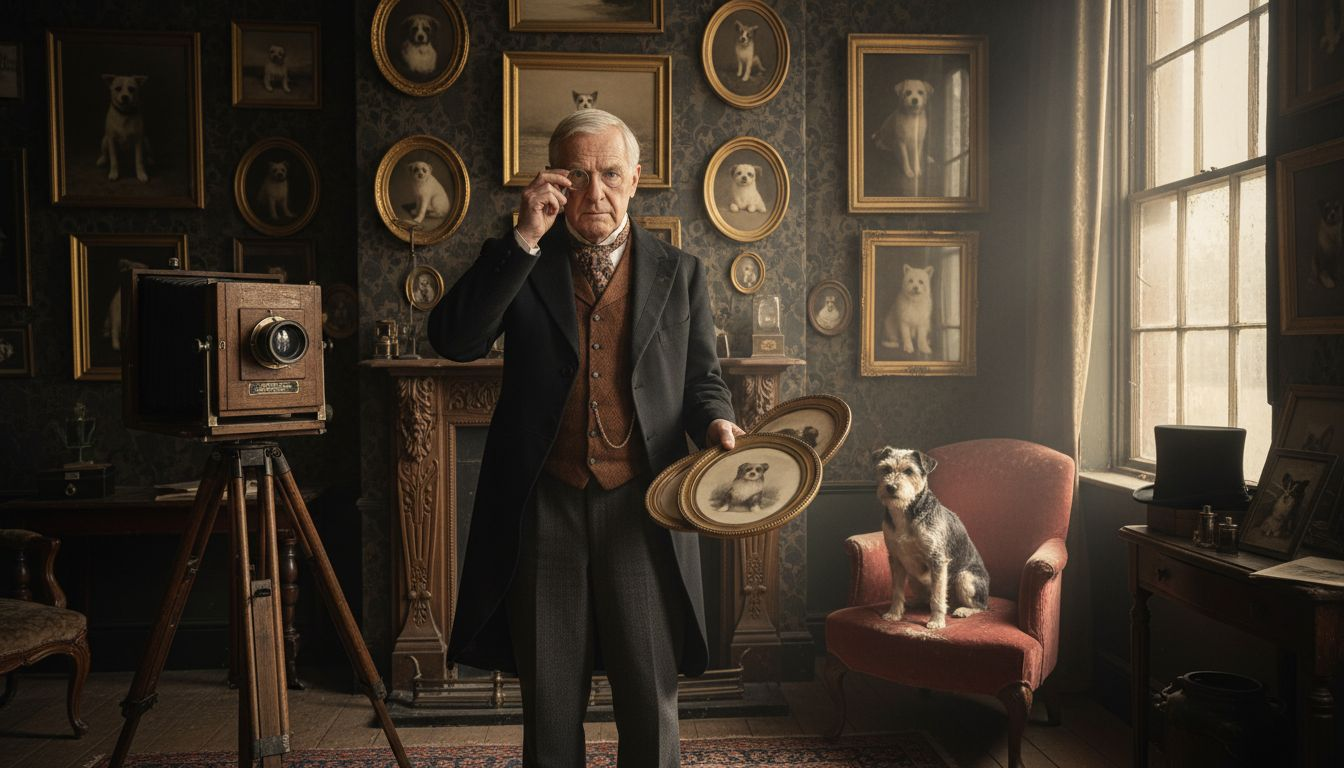
Modern pet portraiture continues to evolve, embracing diverse artistic styles that range from hyper-realistic oil paintings to whimsical digital illustrations. These contemporary approaches celebrate the unique bond between humans and their animal companions, transforming personal memories into timeless artistic expressions.
Pro tip: Research historical pet portrait styles to find an artistic approach that truly resonates with your pet’s unique character and your family’s emotional connection.
Emotional Bonds Driving Pet Portraits
The profound emotional connection between humans and their pets transcends simple companionship, creating deep psychological bonds that inspire families to immortalize their beloved animals through portraiture. Pet bereavement research reveals that over 99% of pet owners view their animals as integral family members, driving an increasingly meaningful approach to memorialising their cherished companions.
These emotional connections manifest through intricate artistic representations that capture more than physical appearance. Portraiture conveys emotional identity by exploring nuanced elements like pose, expression, and contextual setting, allowing families to celebrate the unique personality of their animal companions.
The key emotional drivers behind pet portraiture include:
- Memory Preservation: Capturing lasting memories of beloved pets
- Emotional Healing: Supporting grieving processes after pet loss
- Family Connection: Recognising pets as genuine family members
- Psychological Comfort: Creating tangible memorials of deep bonds
Pets are not just animals, but emotional anchors that provide unconditional love and support throughout our lives.
Modern British families increasingly recognise pets as emotional partners rather than mere animals. This shift has transformed pet portraiture from a decorative art form into a profound method of emotional expression and remembrance.
The psychological depth of these portraits goes beyond simple imagery, serving as powerful emotional archives that celebrate the intricate relationships between humans and their animal companions. Each portrait becomes a testament to the unique bond shared between a family and their pet.
Pro tip: Choose a portrait style that authentically captures your pet’s personality and the emotional connection you share.
Popular Styles and Subjects in the UK
Pet portraiture in the United Kingdom has evolved into a sophisticated art form, reflecting the deep emotional connections between families and their animal companions. Photographic pet portraits have particularly gained prominence, offering diverse styles that capture the unique personality of each pet.
The contemporary landscape of pet portraiture encompasses a rich variety of artistic approaches. National portrait collections reveal that subjects range from meticulously realistic painted portraits to innovative digital representations, each style telling a distinct narrative about the pet and its family.
Popular pet portrait styles in the UK include:
- Photographic Realism: Crisp, detailed studio photographs
- Watercolour Illustrations: Soft, emotive artistic interpretations
- Digital Art: Contemporary, stylised digital renderings
- Oil Paintings: Traditional, rich classical portrait techniques
British pet portraiture celebrates the unique personality of each animal, transforming simple images into profound emotional statements.
Photographic techniques have revolutionised pet portraiture, enabling families to capture spontaneous moments and intimate expressions. From formal studio settings to candid outdoor scenes, these portraits reflect the multifaceted relationships between pets and their owners.
Modern British pet portraits often incorporate contextual elements that reveal the animal’s character - favourite toys, familiar environments, or interactive poses with family members. This approach transforms portraiture from mere visual documentation into a deeply personal storytelling medium.
Here is a summary comparing popular pet portrait styles in the UK:
| Style | Typical Medium | Unique Features | Ideal For |
|---|---|---|---|
| Photographic Realism | Professional prints | Sharp detail, true-to-life appearance | Precise likeness |
| Watercolour | Watercolour on paper | Soft edges, emotive tones | Gentle, expressive pets |
| Digital Art | Digital illustration | Creative effects, custom backgrounds | Modern, bold statements |
| Oil Painting | Oil on canvas | Textured, classic and rich | Traditional elegance |
Pro tip: Select a portrait style that authentically reflects your pet’s unique personality and your family’s emotional connection.
Commemorating Pets as Family Members
In contemporary British households, pets have transcended their traditional roles, becoming deeply cherished family members with emotional significance that rivals human relationships. Pet bereavement research reveals the profound depth of these connections, highlighting how families view their animal companions as integral and irreplaceable parts of their domestic landscape.
The emotional landscape of pet commemoration reflects a nuanced understanding of companionship that extends beyond simple ownership. Cambridge research demonstrates that pets often serve as primary sources of emotional support, particularly for children, establishing them as true family members rather than mere animals.
Key aspects of commemorating pets as family members include:
- Emotional Recognition: Acknowledging pets’ deep psychological roles
- Memory Preservation: Creating lasting tributes to beloved companions
- Family Integration: Treating pets as legitimate family members
- Grief Validation: Respecting the genuine emotional loss when pets pass
Pets are not possessions, but sentient beings who share our lives, emotions, and intimate family moments.
Portraits and memorial artworks have emerged as powerful tools for honoring these relationships, transforming simple images into profound emotional archives. They serve not just as decorative items, but as tangible expressions of love, remembrance, and the unique bonds formed between humans and their animal companions.
Modern British families increasingly recognise that commemorating pets is an essential aspect of processing grief, celebrating companionship, and maintaining the legacy of these cherished family members who offer unconditional love and support.
Pro tip: Choose a commemorative style that genuinely reflects your pet’s unique personality and the special relationship you shared.
Choosing and Commissioning the Perfect Portrait
Commissioning a pet portrait represents a deeply personal journey of capturing the unique essence of a beloved animal companion. Pet portrait selection involves carefully considering multiple factors that transform a simple image into a meaningful family heirloom.
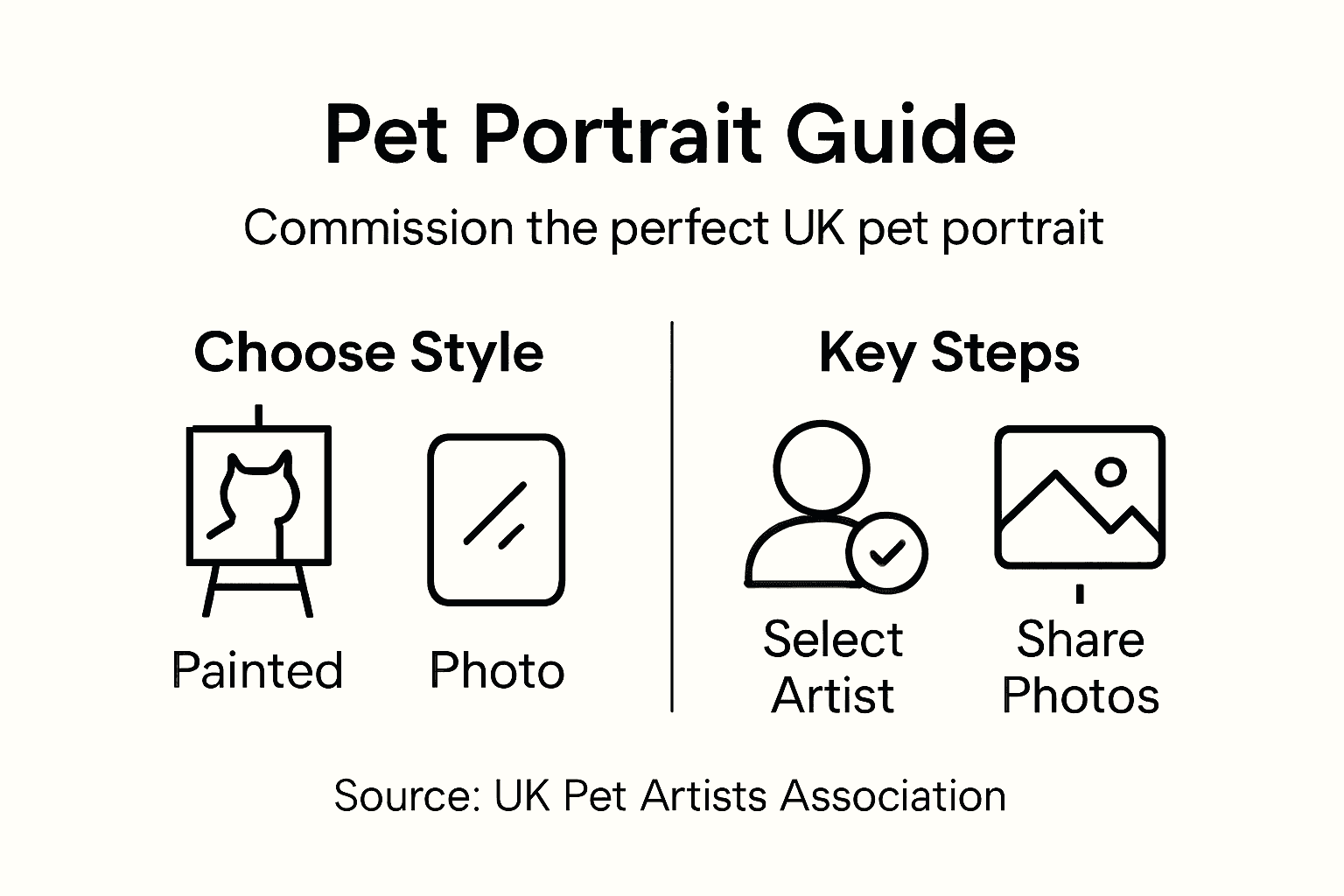
The process of selecting the right artist requires thoughtful deliberation and an understanding of the nuanced artistic approaches available. Royal Society of Portrait Painters’ guidance emphasises the importance of matching an artist’s style with the specific personality of the pet and the emotional narrative families wish to preserve.
Key considerations when choosing a pet portrait include:
- Artistic Style: Matching the portrait technique to your pet’s character
- Medium Selection: Exploring options like oil, watercolour, digital art
- Emotional Authenticity: Capturing the pet’s unique personality
- Technical Skill: Assessing the artist’s ability to capture intricate details
A truly exceptional pet portrait transcends mere physical representation, becoming a profound emotional tribute.
Successful pet portraits require collaboration between the owner and the artist, ensuring that subtle nuances - from a characteristic head tilt to a playful expression - are authentically captured. This collaborative approach transforms the portrait from a simple image to a deeply personal narrative.
Modern pet portraiture offers unprecedented flexibility, allowing families to choose from traditional painted styles to contemporary digital representations that celebrate their animal companions in unique and personalised ways.
The following table outlines key considerations when selecting an artist for a pet portrait:
| Consideration | Why It Matters | How to Assess |
|---|---|---|
| Artistic Style | Ensures a match with pet’s character | Review portfolio and past works |
| Communication | Facilitates personal input | Evaluate responsiveness and openness |
| Technical Skill | Captures detailed expressions | Inspect fine details in sample pieces |
| Customisation Level | Allows unique personalisation | Ask about bespoke backgrounds or props |
Pro tip: Select an artist who demonstrates genuine understanding and emotional connection when discussing your pet’s personality.
Celebrate Your Pet’s Unique Personality with a Custom Portrait
Cherishing the emotional bond with your pet means honouring their distinct character and the memories you share. If you want to preserve these special moments through a timeless piece of art that truly reflects your pet’s essence, explore our collection at The Family Portrait Company’s home page. Our custom portraits turn your favourite photographs into heartfelt tributes that last a lifetime.

Bring your pet’s spirit and personality to life with a personalised portrait created just for your family. Visit our website today to discover styles and options that perfectly capture your beloved companion. Don’t wait to create an emotional keepsake you will treasure forever.
Frequently Asked Questions
What are pet portraits?
Pet portraits are artistic representations of pets that capture their unique spirit and personality. They serve as emotional keepsakes that immortalise the bond between animals and their human families.
Why do families choose to have pet portraits?
Families commission pet portraits to commemorate the emotional connections they share with their pets. These artworks serve as lasting memorials and a way to celebrate the joy that their animals bring to their lives.
What styles of pet portraits are popular?
Popular styles of pet portraits include photographic realism, watercolour illustrations, digital art, and traditional oil paintings. Each style offers a different way to capture a pet’s personality and the emotional connection with its family.
How can I choose the right artist for a pet portrait?
To choose the right artist for a pet portrait, consider their artistic style, technical skill, and ability to capture your pet’s unique personality. Reviewing their portfolio and ensuring good communication about your vision can also help achieve the desired outcome.
Recommended
- Complete Guide to Why Pets Improve Family Portraits – The Family Portrait Companys
- Role of Pets in Family Portraits: Celebrating Connection – The Family Portrait Companys
- How Portraits Celebrate Pets in British Homes – The Family Portrait Companys
- Pet Family Photo: Everything You Need to Know – The Family Portrait Companys
- Why Pets Improve Quality of Life for Owners – iPupPee