

How to Make Portraits Last: Care Tips for Families & Pet Owners
Over ninety percent of treasured portraits suffer avoidable damage in homes every year, according to recent studies. Whether your art is a family heirloom or a new commission, preserving its vibrancy is more complex than most british collectors realize. Choosing the right environment and proper care methods can dramatically extend the life and appeal of your portrait. This guide breaks down expert-backed steps to help you display and protect your artwork like a professional.
Table of Contents
- Step 1: Choose the Right Display Location
- Step 2: Protect Portraits from Sunlight and Humidity
- Step 3: Clean Portraits Gently and Regularly
- Step 4: Frame Portraits with Archival-Quality Materials
- Step 5: Inspect and Maintain Your Portraits Annually
Quick Summary
| Key Point | Explanation |
|---|---|
| 1. Choose an appropriate display location | Avoid areas prone to temperature and humidity changes to protect your portrait from damage. |
| 2. Implement sunlight and humidity protection | Keep light exposure below 200 lux and maintain humidity levels between 45-55% to avoid fading and material damage. |
| 3. Clean portraits gently and regularly | Dust the surroundings with soft materials, avoiding direct contact with the artwork to prevent irreparable damage. |
| 4. Use archival-quality framing materials | Select frames made from inert materials that do not compromise the portrait due to chemical reactions or acidity. |
| 5. Conduct annual inspections | Regularly check the portrait for signs of wear or damage and document any changes to track its condition over time. |
Step 1: Choose the Right Display Location
Selecting the perfect spot to showcase your treasured portrait requires more than just aesthetic consideration. You need a location that protects your artwork from potential environmental damage while allowing its beauty to shine.
When deciding where to hang your portrait, the British Association of Paintings Conservator-Restorers recommends avoiding areas with dramatic temperature and humidity changes. This means steering clear of spots near radiators, fireplaces, air conditioning units, or windows with direct sunlight. Sunlight can cause fading and degradation of colours, while heat sources and damp walls create unstable conditions that might compromise your portrait’s integrity.
Museums Galleries Scotland suggests maintaining light levels at or below 200 lux and considering UV-absorbing window films if your chosen location receives natural light. Ideal display areas include interior walls away from direct sunlight, with consistent room temperature and moderate humidity levels.
Secondary considerations include the portrait’s background colour, surrounding decor, and viewing angle. You want a location that not only preserves the artwork but also allows it to become a focal point in your space.
Helpful hint: Consider using a light metre to measure the exact luminosity in potential display locations, ensuring you keep your portrait in the safest possible environment.
To assist in selecting the optimal place to hang your portrait, here is a comparison of common household locations:
| Location Type | Risk Level | Primary Risks | Recommended for Display |
|---|---|---|---|
| Near Radiator/Fireplace | High | Heat, humidity shifts | Strongly discouraged |
| South-facing Window | High | Direct sunlight, UV | Strongly discouraged |
| Air-conditioned Area | Medium | Rapid temperature flux | Prefer to avoid |
| Interior Wall | Low | Few, if monitored | Highly recommended |
| Damp Basement/Wall | High | Mould, high humidity | Never recommend |
Step 2: Protect Portraits from Sunlight and Humidity
Preserving the vibrant details and emotional essence of your cherished portrait demands strategic protection against environmental threats. Understanding how to shield your artwork from damaging elements will ensure its longevity and visual brilliance.
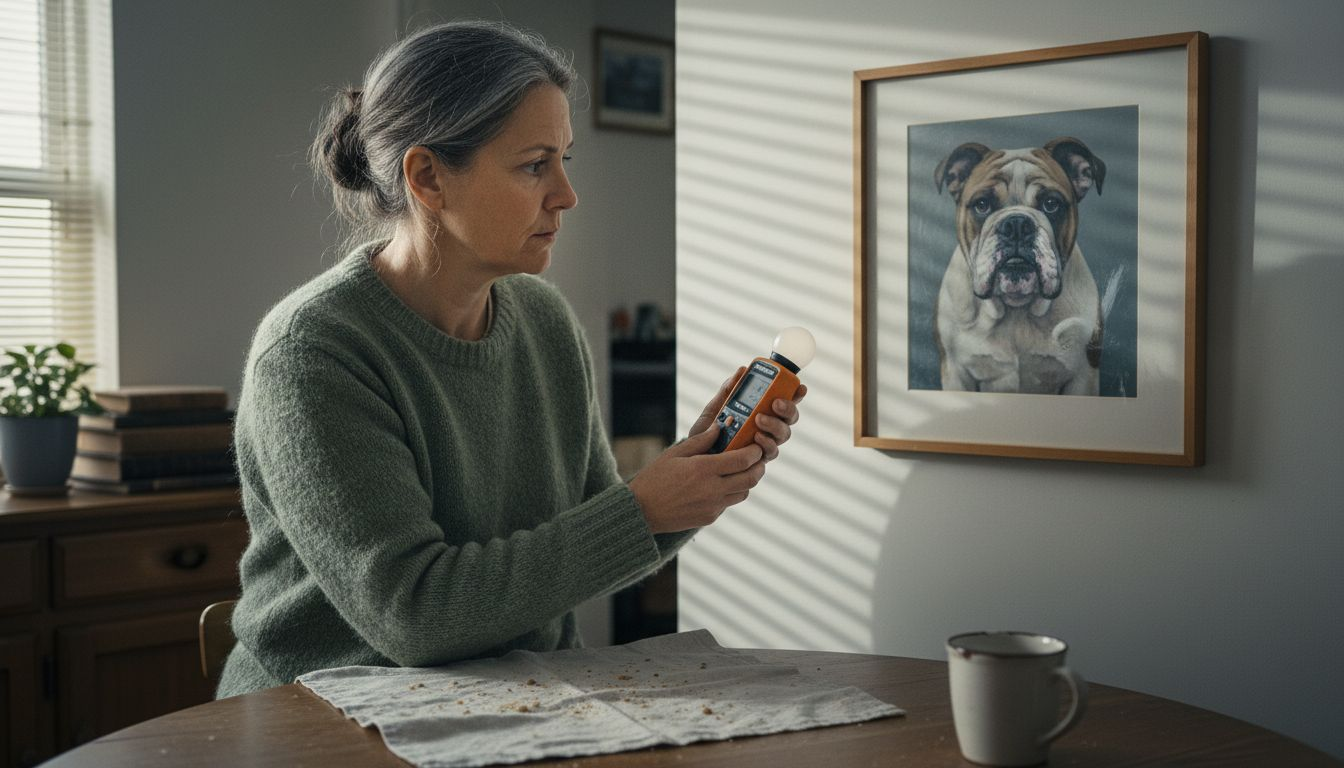
The National Gallery emphasises that light exposure, particularly ultraviolet radiation, can cause irreversible fading and tonal alterations in paintings. This means your portrait requires careful placement away from direct sunlight and intense artificial light sources. Windows with harsh afternoon sun or rooms with prolonged bright lighting can gradually degrade your portrait’s colours and materials.
Museums Galleries Scotland warns that light damage is cumulative and permanent, recommending maintaining light levels at or below 200 lux for artwork preservation. This translates to practical steps like positioning your portrait on interior walls, using UV filtering window films, and avoiding spots near bright windows or intense lighting fixtures. Additionally, maintaining consistent room humidity between 45 to 55 percent prevents material expansion and contraction that might cause cracking or warping.
Consider rotation and strategic placement as part of your preservation strategy. Periodically moving your portrait to different areas with controlled lighting can help distribute potential light exposure and protect its delicate surfaces.
Helpful hint: Invest in a small humidity and light metre to monitor environmental conditions around your precious portrait, giving you precise data to guide its protection.
Step 3: Clean Portraits Gently and Regularly
Maintaining the pristine condition of your cherished portrait requires a delicate touch and careful approach. Understanding the nuanced art of preservation will help you protect your treasured artwork from potential damage.
The British Association of Paintings Conservator-Restorers strongly advises against attempting to clean paintings independently, as amateur cleaning techniques can cause irreparable harm to your precious artwork. Professional conservators possess specialised knowledge and gentle techniques that safeguard the portrait’s intricate details and colour integrity.
Museums Galleries Scotland recommends focusing on regular dusting of the surrounding area rather than directly cleaning the portrait surface. This approach minimises the risk of accidental damage while keeping the portrait’s environment clean. Use soft microfibre cloths or specialised museum-grade dusting tools to gently remove dust from the frame and surrounding areas, maintaining a clean environment without touching the artwork itself.
If you notice any signs of dirt accumulation or potential damage, resist the temptation to clean the portrait yourself. Professional conservators can assess and safely clean your artwork using techniques that preserve its original quality and emotional significance.
Helpful hint: Invest in a soft bristled brush with natural fibres and keep it specifically for gentle surface dust removal around your portrait, ensuring you never make direct contact with the artwork itself.
Step 4: Frame Portraits with Archival-Quality Materials
Protecting your precious portrait begins with selecting the right framing materials that will preserve its beauty and integrity for generations. The frame is more than just a decorative element it serves as a critical shield against environmental damage.
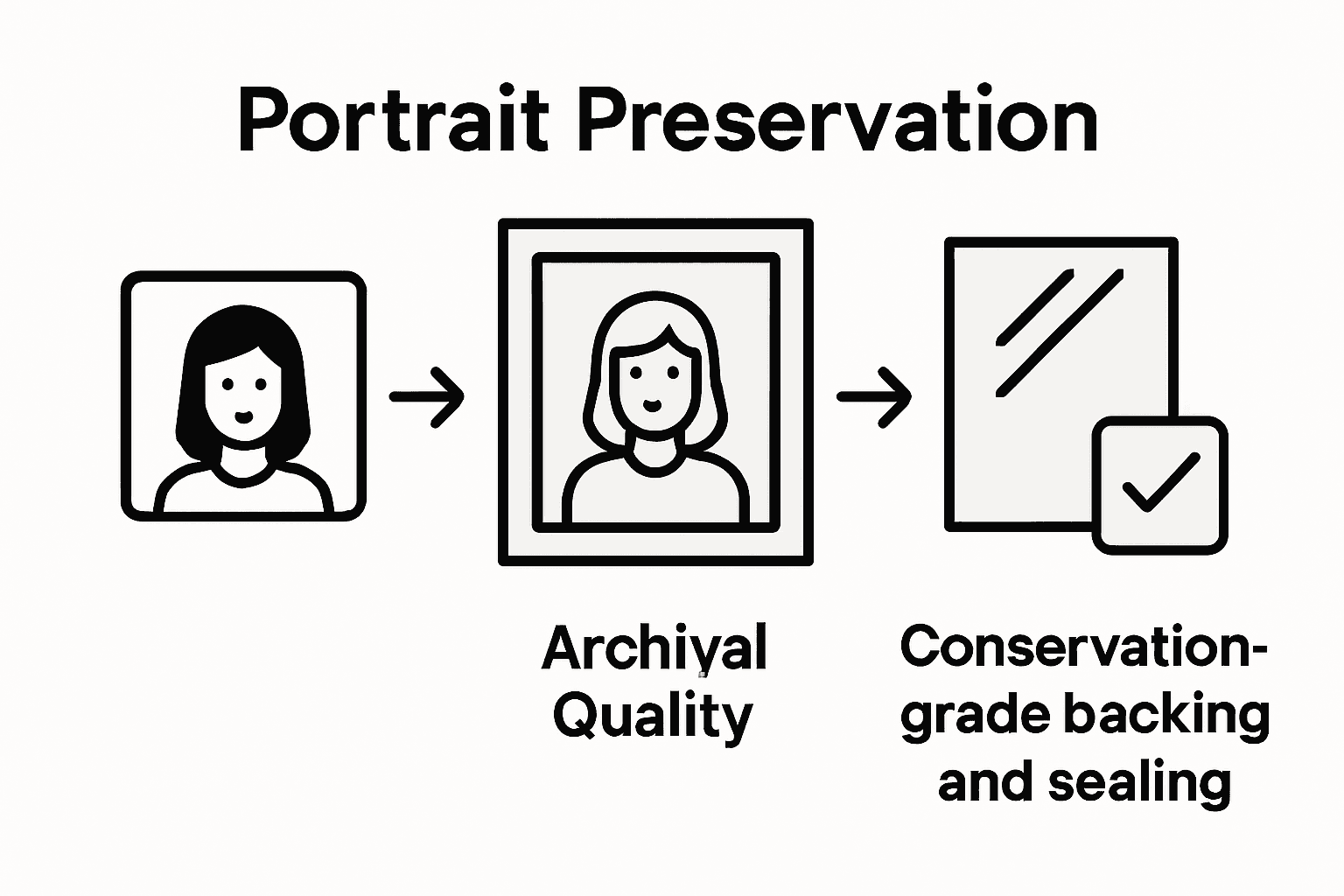
Museums Galleries Scotland emphasises the importance of using frames constructed from stable materials that provide adequate protection, warning against acidic materials that could gradually deteriorate your artwork. This means choosing frames made from inert materials like conservation grade wood or metal, with neutral pH backing boards and protective glass that filters harmful ultraviolet radiation.
The National Gallery recommends consulting conservation professionals when selecting framing materials to prevent potential chemical interactions that might compromise your portrait. Professional framers understand the nuanced requirements for archival preservation, including selecting acid free mounting boards, using archival tape, and ensuring proper spacing between the artwork and glass to prevent moisture accumulation.
Consider your portrait’s specific requirements when selecting framing materials. Different mediums watercolour, oil painting, or photographic prints may need specialised preservation techniques tailored to their unique composition.
Helpful hint: Always request archival quality materials from your framer and ask to see their conservation grade options to ensure maximum protection for your cherished portrait.
Step 5: Inspect and Maintain Your Portraits Annually
Preserving the emotional and artistic value of your cherished portrait requires vigilant and systematic care. Annual inspections are your first line of defence against potential deterioration that could compromise your artwork’s long term integrity.
The British Association of Paintings Conservator-Restorers recommends thorough annual examinations to identify early signs of potential damage, such as microscopic cracks, subtle paint flaking, or the initial stages of mould growth. During these inspections, look carefully at the portrait’s surface texture, checking for any changes in colour, small discolourations, or areas where the paint might be losing its original vibrancy.
Museums Galleries Scotland advises conducting comprehensive annual checks to monitor the artwork’s overall condition and detect any environmental stress indicators. This process involves examining the frame for structural integrity, assessing the mounting materials, and noting any subtle shifts in the portrait’s appearance that might signal underlying conservation needs.
If you discover any concerning changes during your inspection, resist the temptation to address them independently. Professional conservators possess the specialised skills and knowledge to diagnose and treat potential issues without causing further damage.
Helpful hint: Create a dedicated documentation folder for your portrait, including dated photographs from each annual inspection to track any gradual changes over time.
This table summarises key annual inspection points and their significance for portrait preservation:
| Inspection Aspect | What To Check | Importance |
|---|---|---|
| Surface Condition | Cracks, flaking, warping | Detects early deterioration |
| Colour Consistency | Fading, discolouration | Identifies light damage |
| Frame & Mount | Structural integrity | Prevents physical damage |
| Documentation Records | Photos and notes updated | Tracks gradual changes |
Preserve Your Family and Pet Portraits with Care and Quality
Ensuring your treasured portraits last through the years demands more than simple display they require thoughtful protection from sunlight, humidity and handling. Whether you are a family wanting to celebrate precious moments or a pet owner capturing the unique spirit of your animal companion, safeguarding your artwork from fading, cracking or damage is essential. By understanding how to choose the ideal location, employ archival framing, and maintain your portraits carefully you can keep these cherished memories vivid and alive.

Discover expertly crafted custom portraits designed to bring lasting joy and beauty into your home at The Family Portrait Companys. Our commitment to quality ensures your photographs of loved ones and pets transform into heirlooms that withstand the test of time. Act now to create a vibrant family or pet portrait that will be cared for across generations with guidance and products from Family Portrait Company. Start your journey today by visiting our Home Page and see how we help protect your most treasured moments.
Frequently Asked Questions
How can I choose the best location to display my portrait?
To select the best location for your portrait, choose an interior wall away from direct sunlight, radiators, or air conditioning units. Measure the light levels using a light metre and ensure the temperature and humidity remain stable for optimal preservation.
What type of materials should I use for framing my portrait?
Use archival-quality framing materials such as conservation-grade wood or metal, and choose neutral pH backing boards and protective glass that filters UV radiation. This ensures that your portrait is adequately protected from potential environmental damage over time.
How often should I inspect my portrait for damage?
Inspect your portrait at least once a year to catch early signs of damage, such as cracks or fading. Document any changes you notice with dated photographs to track its condition over time, which will help you identify potential conservation needs more effectively.
What steps can I take to protect my portrait from humidity and light exposure?
To protect your portrait, maintain room humidity between 45 to 55 per cent and keep it away from direct sunlight and intense artificial light. Consider using UV-filtering window films and reposition your portrait periodically to manage light exposure effectively.
Can I clean my portrait myself?
It is not recommended to clean your portrait independently, as this can cause irreversible damage. Instead, focus on dusting the frame and surrounding area gently, and consult a professional conservator if you notice significant dirt or potential damage on the portrait itself.
How does temperature affect my portrait’s condition?
Extreme temperature changes can lead to material expansion and contraction, which can cause cracking or warping in your portrait. Ensure your artwork is displayed in an environment with consistent room temperature to prevent such issues.
Recommended
- Understanding Pet Portrait Preservation Tips for Lasting Memories – The Family Portrait Companys
- Pet Portrait Timeline Steps for Perfect Family Keepsakes – The Family Portrait Companys
- Portrait Photo Preparation for Custom Family and Pet Art – The Family Portrait Companys
- 7 Inspiring Examples of Human and Pet Portraits for Families – The Family Portrait Companys