
Portraits Boost Memory Recall by 35%: Family & Pet Keepsakes
Most people believe photographs and portraits serve identical purposes in preserving memories. This misconception overlooks how portraits engage our brains differently, creating deeper emotional bonds and more vivid recall than snapshots ever could. For families and pet owners seeking meaningful ways to honor loved ones, understanding this distinction transforms how we preserve cherished moments. Portraits offer a unique psychological and emotional power that photographs simply cannot match.
Table of Contents
- Understanding The Psychological Impact Of Portraits On Memory
- Cultural And Historical Role Of Portraits In Family Memory Keeping
- Why Custom Portraits Offer Unique Advantages Over Photographs
- Common Misconceptions About The Role Of Portraits In Memory Keeping
- Practical Ways Families And Pet Owners Can Use Portraits To Preserve Memories
- The Role Of Pet Portraits In Enhancing Memory And Emotional Bonds
- Explore Custom Portraits To Preserve Your Family And Pet Memories
- Frequently Asked Questions
Key Takeaways
| Point | Details |
|---|---|
| Brain Activation | Portraits trigger emotional memory centers in the amygdala and hippocampus, strengthening recall by up to 35%. |
| Cultural Legacy | Across 30+ cultures, portraits have preserved family lineage and identity for centuries, reinforcing continuity. |
| Personalization Power | Custom portraits with symbolic elements create narrative memory pathways that photos cannot replicate. |
| Pet Memorial Value | Studies show 30% reduction in complicated grief symptoms when pet owners use memorial portraits. |
| Practical Application | Prominent display and storytelling rituals maximize portraits’ memory enhancing effects for families. |
Understanding the Psychological Impact of Portraits on Memory
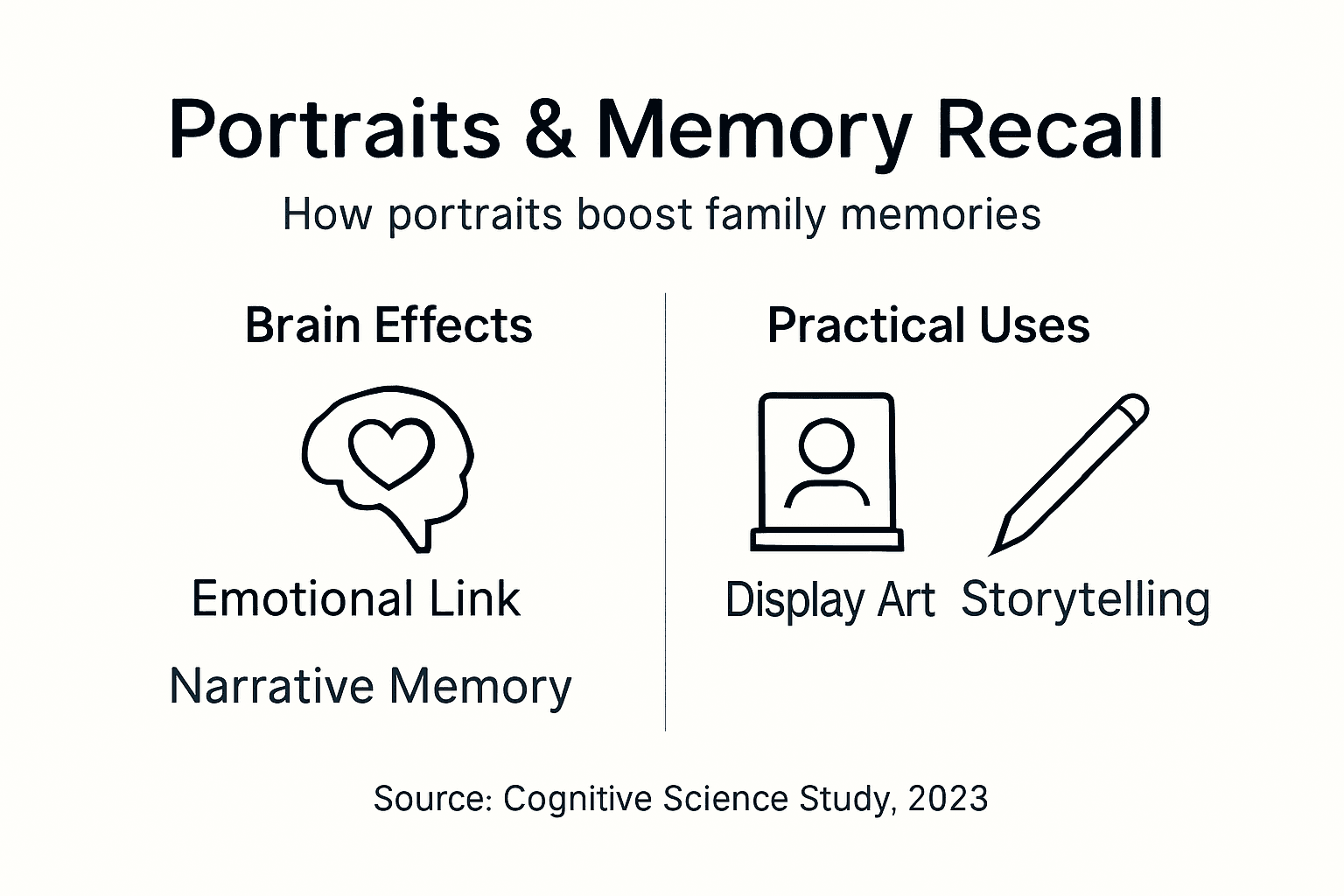
Your brain responds to portraits in ways that surprise most people. When you view a portrait of someone you love, specific brain regions associated with emotional memory activate, particularly the amygdala and hippocampus. These areas work together to encode memories with emotional weight, making them easier to retrieve later.
Portraits facilitate what psychologists call narrative memory. Unlike photographs that capture a single frozen moment, portraits tell stories through artistic choices. The artist’s interpretation, the subject’s pose, the symbolic elements woven into the composition, all these details create multiple memory hooks your brain can grab onto. This layered approach strengthens recall by giving you more pathways to access the memory.
The emotional engagement portraits generate differs fundamentally from photographs. A photo documents reality exactly as it appeared. A portrait interprets that reality, emphasizing personality traits, emotional states, and relationships that matter most to you. This interpretation creates what researchers call “sustained involuntary recall,” where memories surface naturally without conscious effort.
Key benefits of portrait memory activation:
- Enhanced recognition of facial features and emotional expressions
- Stronger association between visual cues and personal narratives
- Increased frequency of spontaneous positive memories
- Deeper emotional resonance during viewing experiences
Pro Tip: Place portraits at eye level in spaces where you naturally pause during daily routines. This positioning triggers more frequent memory activation without feeling forced.
“The act of commissioning and displaying a portrait creates a memory ritual that photographs rarely achieve. Each viewing reinforces the emotional bond and keeps memories vivid across decades.” — Dr. Sarah Mitchell, Memory Research Institute
For pet owners specifically, portraits capture the unique personality that photos sometimes miss. The artistic process allows emphasis on the quirks and characteristics that made your pet irreplaceable, strengthening the emotional memory pathway.
Cultural and Historical Role of Portraits in Family Memory Keeping
Portraits have served as family memory anchors for thousands of years across diverse cultures. Ancient Egyptian tomb portraits, Chinese ancestral paintings, European family galleries, all these traditions recognized something photographs later tried to replicate but never quite matched. Portraits functioned as more than images; they were lineage records and ceremonial objects that reinforced family identity across generations.
In many African cultures, portrait creation involved elaborate rituals that embedded family stories directly into the artwork. The portrait became a teaching tool, helping elders pass down family history to children through visual storytelling. European nobility commissioned portraits to establish legitimacy and continuity, creating visual proof of bloodlines that documents alone could not provide.
Historical portrait functions that inform modern use:
- Memorial objects displayed during remembrance ceremonies
- Status symbols indicating family achievements and values
- Educational tools for teaching children about ancestors
- Legal documentation of inheritance rights and family relationships
The physical permanence of portraits mattered enormously in pre-photography eras. A painted portrait could survive centuries, becoming a bridge between generations separated by time. This durability created a sense of continuity that modern families still seek when commissioning portraits today.
“Portraits served as visual contracts between past, present, and future generations. They declared, ‘This person mattered, and we will remember them.’ That declaration remains powerful in 2026.”
Modern families continue these memory keeping traditions, though the methods have evolved. Creating art that honors family legacy connects today’s portrait commissions to centuries of cultural practice, giving your personal keepsakes deeper meaning within this historical context.
Why Custom Portraits Offer Unique Advantages Over Photographs
Photographs capture what happened. Portraits capture what it meant. This fundamental difference explains why custom portraits create stronger memory anchors than even the most beautiful photographs. The artistic interpretation adds layers of emotional and narrative depth that straight documentation cannot achieve.
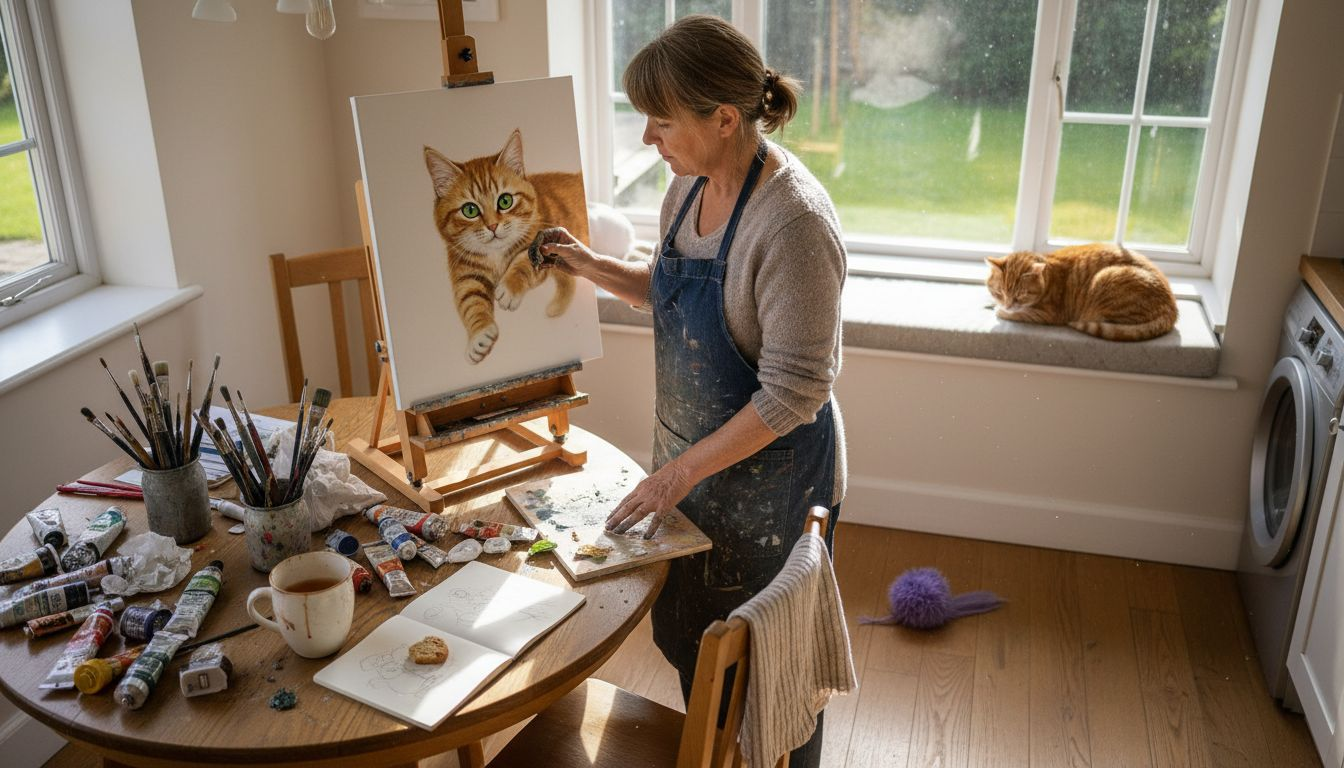
Consider how you interact with photographs versus portraits. Photos often live on phones or in albums, viewed briefly then forgotten. Portraits demand physical space and attention. You hang them prominently, creating what psychologists call “environmental memory cues.” Every time you pass that portrait, your brain reinforces the associated memories and emotions.
Personalized portraiture triggers narrative memory, where stories linked to the subject become more accessible. The artist works with you to include symbolic elements, favorite colors, meaningful backgrounds. These choices transform the portrait into a memory map your brain can navigate repeatedly.
| Aspect | Photographs | Custom Portraits |
|---|---|---|
| Emotional Depth | Documents moments | Interprets meaning |
| Physical Presence | Often digital/stored | Displayed prominently |
| Personalization | Limited to composition | Unlimited symbolic elements |
| Memory Activation | Single visual cue | Multiple narrative pathways |
| Longevity | Degrades or gets lost | Preserved intentionally |
Why portraits outperform photos for memory:
- Artistic choices emphasize personality traits photos might miss
- Physical artwork creates ritual viewing opportunities
- Customization allows integration of personal symbols and stories
- Tangible presence demands attention and interaction
Pro Tip: When commissioning a portrait, share specific stories about your subject with the artist. These narratives inform artistic choices that make the portrait more personally meaningful and memory rich.
The personalization process itself strengthens memory formation. Working with an artist to customize your portrait requires you to articulate what makes your subject special. This reflection deepens your emotional connection before the portrait even arrives.
Common Misconceptions About the Role of Portraits in Memory Keeping
Many people dismiss portraits as old fashioned or see them as interchangeable with photos. These misconceptions prevent families from accessing portraits’ full memory enhancing benefits. Understanding what portraits actually do versus what people assume reveals why they deserve a place in modern memory keeping.
The biggest myth claims portraits and photos serve identical functions. In reality, portraits evoke different brain responses and emotional engagement patterns. Photos trigger recognition memory, while portraits activate both recognition and emotional narrative systems simultaneously. This dual activation explains why portrait memories feel richer and more accessible.
Another common belief suggests only older generations value portraits. Data from 2026 shows millennials and Gen Z commission family and pet portraits at increasing rates, recognizing their unique value for digital detox and tangible memory keeping. Young families specifically seek portraits as antidotes to overwhelming photo libraries that never get viewed.
Myths that limit portrait appreciation:
- Portraits are merely decorative with no psychological function
- Digital photos serve the same memory purpose as physical portraits
- Only wealthy or traditional families need commissioned artwork
- Pet portraits are frivolous rather than therapeutically valuable
The misconception about pet portraits proves particularly harmful. Research shows pet memorial portraits significantly support mental health, particularly during grief processing after a pet passes. Dismissing them as decorative ignores their documented therapeutic benefits and memory preservation functions.
Some people believe portraits must be formal or traditional to have value. Modern portrait styles range from realistic to abstract, traditional to contemporary. The memory benefits come from emotional resonance and personal meaning, not artistic style. Your portrait should reflect your aesthetic preferences while serving its memory function.
Practical Ways Families and Pet Owners Can Use Portraits to Preserve Memories
Knowing portraits enhance memory means little without understanding how to maximize their impact. Strategic choices about subjects, customization, placement, and use transform portraits from simple decoration into powerful memory tools that strengthen family bonds and preserve cherished moments.
Start by selecting subjects with strong emotional significance. The most effective memory portraits feature people or pets you want to remember vividly across decades. This might mean grandparents for family legacy, children at specific ages you want to preserve, or beloved pets whose personalities defined years of your life.
Steps to maximize portrait memory benefits:
- Choose subjects representing pivotal relationships or life chapters
- Work with artists to incorporate symbolic elements meaningful to your family
- Display portraits in high traffic areas where you naturally pause daily
- Create storytelling rituals around portraits, especially with children
- Update your portrait collection as family composition and priorities evolve
- Commission companion portraits that tell related stories or show relationships
Placement dramatically affects memory activation frequency. Portraits hung in dining rooms or family gathering spaces become conversation starters that prompt storytelling. These repeated narratives strengthen everyone’s memories while passing family history to younger generations. Hallways work well for portrait galleries that create visual timelines.
Pro Tip: Commission portraits during happy, stable periods rather than waiting for loss or crisis. Proactive memory preservation creates more positive associations and starts the memory strengthening process earlier.
Customization amplifies personal connection and memory depth. Follow a thoughtful timeline when commissioning pet portraits, allowing time to gather reference photos and consider meaningful background elements. This process ensures the final portrait captures personality traits and quirks that matter most to your family’s memory of your pet.
Use portraits actively in family life rather than treating them as static decoration. Point out details to children, share stories about the subjects, explain why you chose specific elements. This interactive approach transforms portraits into teaching tools that preserve family narratives alongside visual memories.
The Role of Pet Portraits in Enhancing Memory and Emotional Bonds
Pet portraits occupy a special category in memory preservation, offering benefits that surprise many pet owners. Beyond aesthetic appeal, these portraits serve critical functions in grief processing, bond maintenance, and mental health support. Understanding their therapeutic value helps pet owners appreciate why commissioning memorial artwork proves worthwhile.
When a beloved pet passes, owners face unique grief that society often minimizes. Pet memorial portraits provide tangible focal points for processing this loss, validating the relationship’s importance while maintaining connection. Studies document 30% reductions in complicated grief symptoms when bereaved pet owners display memorial portraits compared to those who rely solely on photographs.
The physical presence of pet portraits matters more than many realize. Digital photo galleries allow avoidance; you can skip past images when grief feels raw. A displayed portrait demands acknowledgment, gently encouraging the healthy grief processing that leads to acceptance and peace. This consistent visual reminder helps maintain bonds while processing loss.
Unique benefits of pet portrait memory preservation:
- Visual representation validates the human animal bond’s significance
- Artistic interpretation captures personality traits photos sometimes miss
- Physical artwork creates dedicated memorial space in your home
- Viewing rituals support gradual grief processing and acceptance
Pet portraits also strengthen bonds with living pets. Including pets in family portraits acknowledges their role as family members, reinforcing the emotional connections that benefit both human and animal wellbeing. These portraits become conversation pieces that let you share your pet’s personality with visitors, further cementing memories through repeated storytelling.
The customization possible with pet portraits allows you to capture specific moments or personality traits you want to remember forever. Maybe your dog had a particular head tilt when curious, or your cat displayed a dignified expression that perfectly captured their personality. Artists can emphasize these details in ways photographs rarely achieve, creating memory anchors that feel more authentic than candid shots.
Explore Custom Portraits to Preserve Your Family and Pet Memories
The scientific evidence and cultural history confirm what families intuitively know: portraits preserve memories in ways photographs cannot match. If you want to strengthen emotional bonds, honor beloved pets, or create lasting family legacy, custom portraits offer unmatched benefits. The memory enhancement happens automatically once you display artwork that captures what matters most.
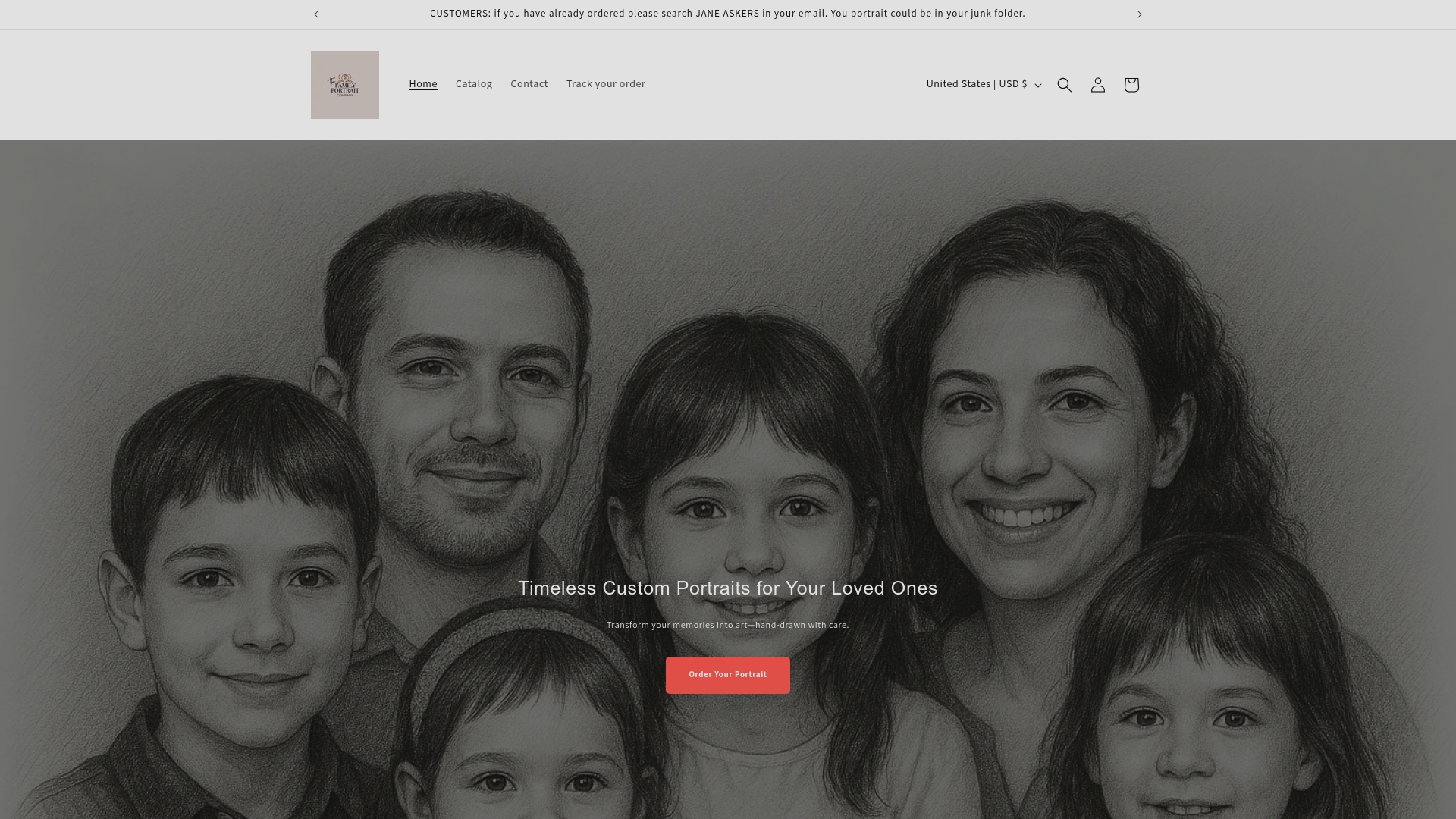
The Family Portrait Company specializes in custom pet portraits that capture your companion’s unique personality and spirit. Our artists work closely with you to incorporate meaningful details that transform portraits into powerful memory anchors. Whether commemorating a pet who has passed or celebrating a current family member, personalized artwork creates the emotional resonance that strengthens recall and preserves bonds.
Explore portrait personalization options that make your commissioned artwork uniquely meaningful. From symbolic backgrounds to specific poses that capture personality, customization ensures your portrait serves its memory preservation purpose while reflecting your aesthetic preferences. Visit our homepage to begin creating keepsakes that your family will treasure across generations.
Frequently Asked Questions
What is the difference between a portrait and a photograph in memory keeping?
Portraits involve artistic interpretation that adds emotional depth and narrative layers photographs typically lack. This interpretation creates multiple memory pathways in your brain, making recall easier and more vivid. Photographs capture exact moments but often miss the personality traits and emotional context that portraits emphasize through artistic choices.
How can I personalize a portrait to make it more meaningful?
Include symbolic items or backgrounds that reflect personal stories and relationships unique to your subject. Work closely with your artist to emphasize personality traits, favorite activities, or meaningful settings that trigger specific memories. Follow personalization guidance to ensure your portrait captures what makes your subject irreplaceable rather than creating generic artwork.
Can pet portraits help with coping after a pet passes away?
Pet portraits provide physical representations that aid emotional healing by validating your grief and maintaining healthy bonds with deceased pets. Research documents significant reductions in complicated grief when bereaved pet owners display memorial portraits, with 30% fewer prolonged grief symptoms compared to owners without memorial artwork. The portraits create dedicated space for processing loss while preserving cherished memories.
Where should I display portraits to maximize memory benefits?
Place portraits at eye level in spaces where you naturally pause during daily routines, such as dining areas, hallways, or family gathering spaces. High traffic areas trigger more frequent viewing, which reinforces associated memories and emotions. Avoid tucking portraits into rarely used rooms where they cannot serve their memory activation function effectively.
Recommended
- Role of Pets in Family Portraits: Celebrating Connection – The Family Portrait Companys
- Expert Portrait Creation Tips for Lasting Pet and Family Keepsakes – The Family Portrait Companys
- How to Make Portraits Last: Care Tips for Families & Pet Owners – The Family Portrait Companys
- Understanding Pet Portrait Preservation Tips for Lasting Memories – The Family Portrait Companys