
What Is Traditional Portraiture? Complete Overview
Over 500 years ago, british artists changed the way people preserved their stories through traditional portraiture. This genre remains powerful because it captures more than just a face—it reveals history, emotion, and personal identity in every brushstroke. Whether you are an art enthusiast or simply curious, exploring the roots and techniques of these portraits uncovers a world where skill and storytelling come together in striking ways.
Table of Contents
- Defining Traditional Portraiture And Its Origins
- Techniques And Materials Used In Portrait Art
- Popular Subjects: Families, Pets, And Individuals
- How Traditional Portraiture Differs From Modern Styles
- Common Misconceptions And Mistakes To Avoid
Key Takeaways
| Point | Details |
|---|---|
| Importance of Traditional Portraiture | This art form captures not only physical likeness but also emotional depth and personal identity. |
| Traditional Techniques and Materials | Core materials include oil paints, pastels, and charcoal, each allowing for diverse expressive possibilities. |
| Difference from Modern Styles | Traditional portraiture focuses on technical precision and realistic representation, unlike modern styles which embrace abstraction. |
| Common Misconceptions | Understanding a portrait requires analysing deeper narratives rather than merely judging visual appeal. |
Defining Traditional Portraiture And Its Origins
Traditional portraiture is an artistic practice of capturing the likeness, personality, and essence of an individual through visual representation. As National Portrait Gallery experts explain, portraiture involves carefully considering formal artistic elements like colour, line, tone, and texture to create a meaningful visual narrative about the subject.
Historically, traditional portraiture emerged as a significant art form during the Renaissance period, when wealthy patrons and nobility commissioned artists to document their social status, appearance, and personal narratives. Royal Society of Portrait Painters documentation reveals that professional portrait painting became a respected discipline, with dedicated societies forming to promote and preserve this artistic tradition.
Portraiture traditionally involves several key characteristics that distinguish it from other visual art forms. These include:
- Precise representation of the subject’s physical features
- Capturing subtle emotional nuances and personality traits
- Using compositional techniques to highlight individual character
- Employing specific artistic methods like oil painting, sketching, or photographic techniques
While modern portraiture has expanded to include digital and experimental approaches, traditional portraiture remains a powerful method of human documentation and artistic expression. Fine Art Portraits: Everything You Need to Know provides deeper insights into how this art form continues to evolve while maintaining its core purpose of human representation.
Techniques And Materials Used In Portrait Art
Traditional portraiture encompasses a rich variety of artistic techniques and materials, each offering unique possibilities for capturing human essence. National Portrait Gallery experts highlight the significance of pastels as a particularly nuanced medium, allowing artists to create soft, expressive representations with remarkable depth and subtlety.
Oil painting represents another pivotal technique in portrait art, with roots tracing back to the Renaissance period. This method involves combining pigments with drying oils, enabling artists to achieve remarkable colour richness and textural complexity. Artists can layer paint, create luminous skin tones, and develop intricate details that bring portraits to life.
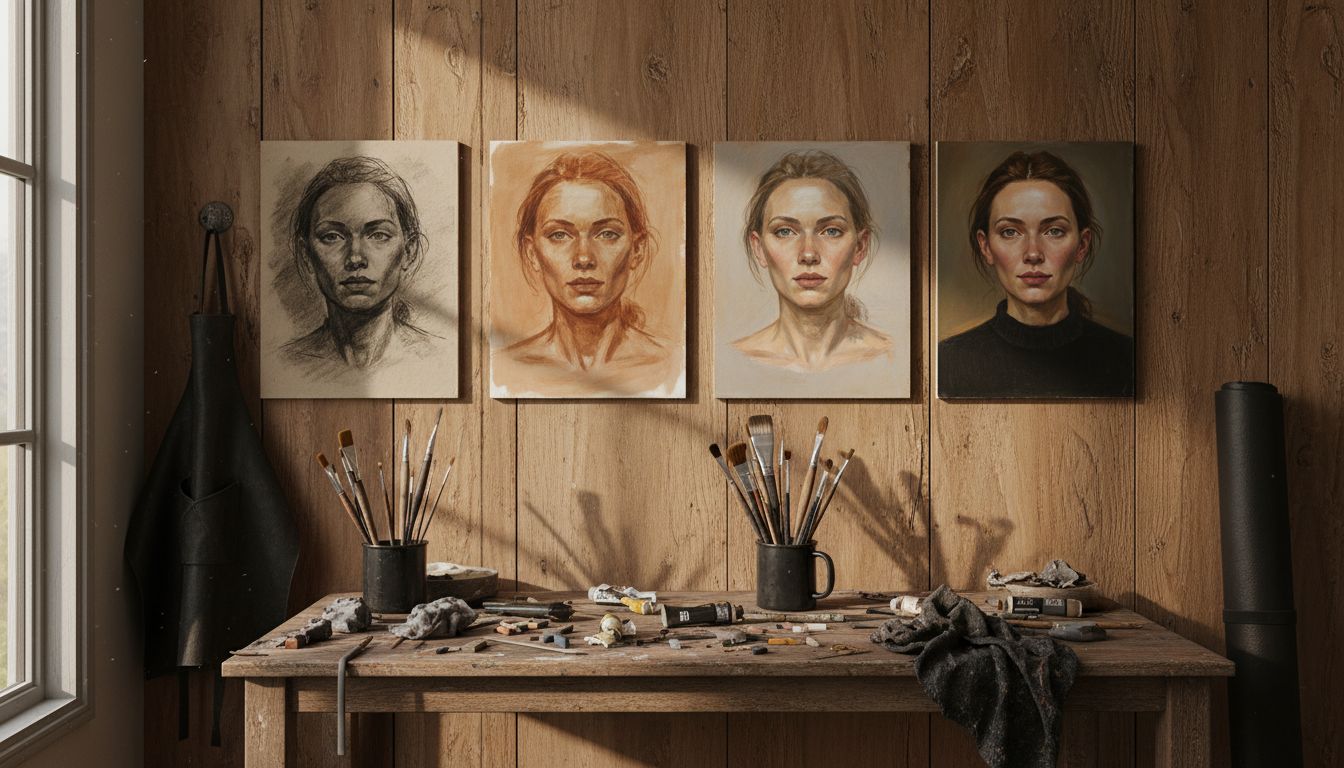
Traditional portrait artists typically employ several core materials and techniques:
- Oil paints: Providing deep, translucent colours and exceptional blending capabilities
- Pastels: Offering soft, nuanced rendering of facial features and expressions
- Watercolours: Creating delicate, translucent portrait studies
- Charcoal and graphite: Enabling precise linear representations and tonal variations
For those interested in understanding the intricate processes behind portrait creation, our portrait creation process guide offers comprehensive insights into how professional artists transform raw materials into compelling visual narratives.
Popular Subjects: Families, Pets, And Individuals
National Portrait Gallery research reveals that traditional portraiture has long been a powerful medium for capturing the essence of individuals, families, and their social contexts. Throughout history, these artistic representations have served not just as visual records, but as profound narratives of human connection and personal identity.
Contemporary artist James Gillick exemplifies the enduring appeal of portrait subjects, creating works that beautifully capture the nuanced relationships between individuals, family members, and even beloved pets. These portraits transcend mere physical representation, offering intimate glimpses into personal stories, emotional landscapes, and familial bonds.
Traditional portraiture typically focuses on three primary subject categories:
- Individuals: Capturing personal character, professional achievements, and inner essence
- Families: Documenting familial relationships, generational connections, and shared histories
- Pets: Celebrating the unique personalities and emotional bonds between humans and animals
For those seeking inspiration in capturing meaningful portrait subjects, our examples of human and pet portraits showcase the incredible diversity and emotional depth possible in traditional portraiture.
How Traditional Portraiture Differs From Modern Styles
National Portrait Gallery research reveals the fundamental distinctions between traditional and modern portraiture, highlighting the meticulous techniques that define classical artistic representation. Traditional portraiture emphasises precise technical skill, realistic representation, and a commitment to capturing the subject’s essential character with extraordinary detail and nuance.
Royal Society of Portrait Painters insights underscore the core differences between traditional and contemporary portrait styles. While traditional portraiture prioritises exact replication and technical mastery, modern styles often embrace abstraction, experimental techniques, and emotional interpretation beyond literal representation.
Key differences between traditional and modern portraiture include:
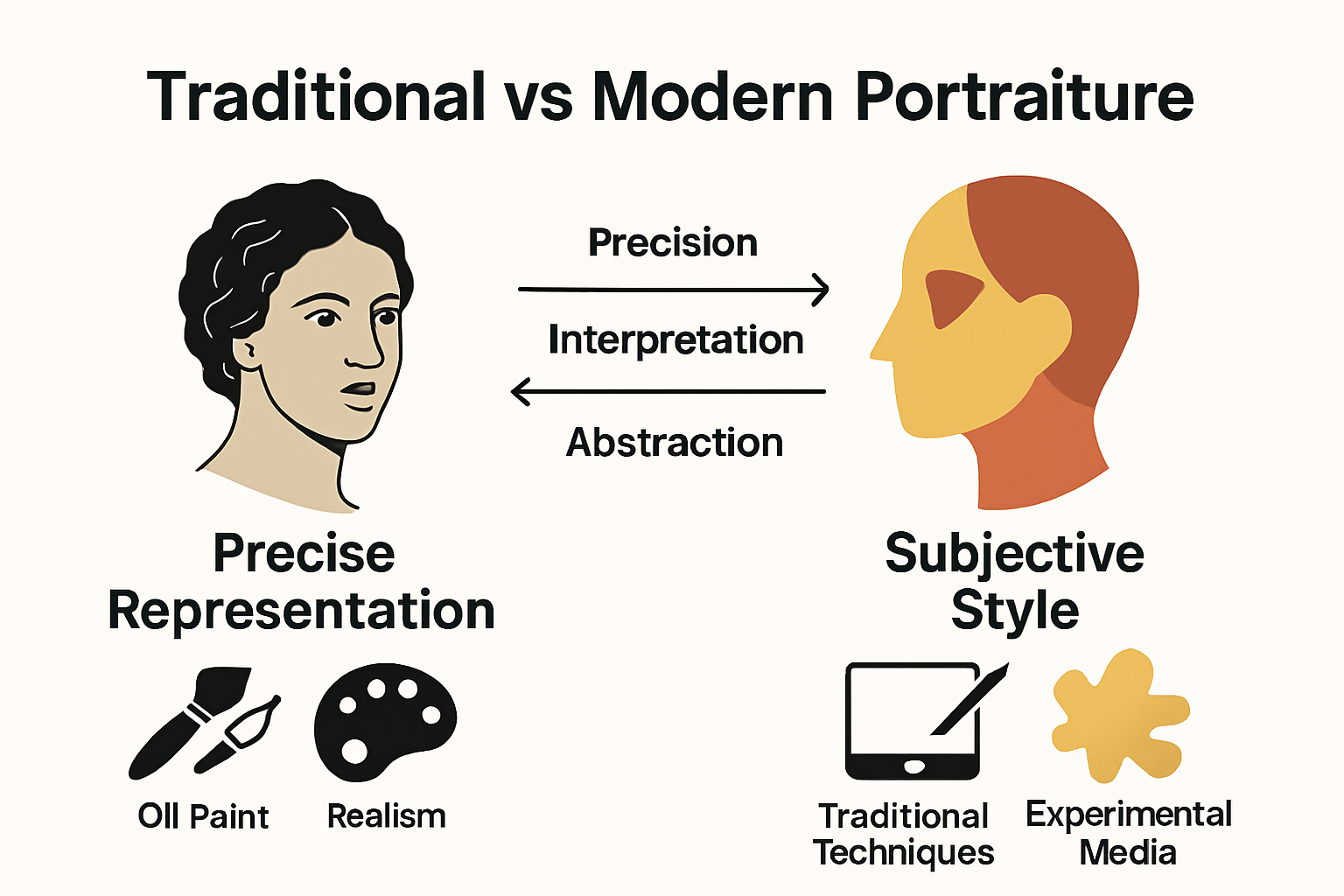
- Technical Precision: Traditional styles demand exact anatomical accuracy
- Emotional Representation: Modern styles prioritise subjective emotional landscapes
- Artistic Techniques: Traditional methods focus on classical painting techniques
- Subject Interpretation: Contemporary approaches allow more interpretative freedom
For those seeking to understand the nuanced evolution of portrait art, our custom portraiture guide offers a comprehensive exploration of how artistic approaches have transformed over time.
Common Misconceptions And Mistakes To Avoid
National Portrait Gallery experts highlight that one of the most significant misconceptions in traditional portraiture is reducing the art form to mere physical representation. Understanding a portrait requires deeper analysis of its formal elements, emotional context, and subtle narrative techniques that transform a simple image into a profound artistic statement.
Royal Collection Trust workshops reveal common mistakes individuals make when interpreting portraits. Many people mistakenly believe that a portrait’s value lies solely in its aesthetic appeal, overlooking the complex layers of historical, social, and personal significance embedded within each artistic representation.
Common misconceptions to avoid in traditional portraiture include:
- Superficial Interpretation: Judging a portrait only by its surface-level visual qualities
- Historical Ignorance: Neglecting the cultural and social context of the artwork
- Technical Oversimplification: Assuming all portraits require identical artistic approaches
- Emotional Disconnect: Failing to recognise the deeper emotional narratives within the piece
For those seeking to develop a more nuanced understanding of portrait art, our high-detail portraiture guide offers comprehensive insights into the intricate world of artistic representation.
Bring Traditional Portraiture To Life With Custom Creations
Traditional portraiture captures more than just physical features. It unveils personality, emotional depth, and timeless character through skilled artistic techniques. If you long to see your family members or beloved pets represented with this rich attention to detail and heartfelt storytelling you have come to the right place. Our Home page – The Family Portrait Company is dedicated to turning your photos into bespoke pet and human portraits that embody the essence of traditional portraiture.

Experience the beauty of personalised artistry that honours the classical skills and emotional nuances discussed in this overview. Visit https://familyportraitcompany.com today to explore how you can preserve your family’s unique stories in stunning portraits created just for you. Start your journey now to own a timeless piece that conveys connection and character like no mere photograph can.
Frequently Asked Questions
What is traditional portraiture?
Traditional portraiture is an artistic practice focused on capturing the likeness, personality, and essence of an individual through visual representation. It involves careful consideration of formal elements like colour, line, tone, and texture.
What techniques and materials are commonly used in traditional portraiture?
Common techniques in traditional portraiture include oil painting, pastels, watercolours, charcoal, and graphite. These materials allow artists to achieve various effects, such as depth, colour richness, and fine detail in their representations.
How does traditional portraiture differ from modern portrait styles?
Traditional portraiture is characterised by meticulous technical skill, realistic representation, and a focus on capturing the subject’s essential character with great detail. In contrast, modern portrait styles may embrace abstraction and emotional interpretation, prioritising subjective experiences over literal representation.
What subjects are typically featured in traditional portraits?
Traditional portraits often feature individuals, families, and pets. These subjects are depicted not just for their physical appearance but also to convey emotional connections, personal narratives, and the essence of relationships between subjects.
Recommended
- Fine Art Portraits: Everything You Need to Know – The Family Portrait Companys
- What Is Custom Portraiture? Complete Expert Overview – The Family Portrait Companys
- Portrait Creation Process: Everything You Need to Know – The Family Portrait Companys
- History of Family Portraits: Complete Guide for Families – The Family Portrait Companys